














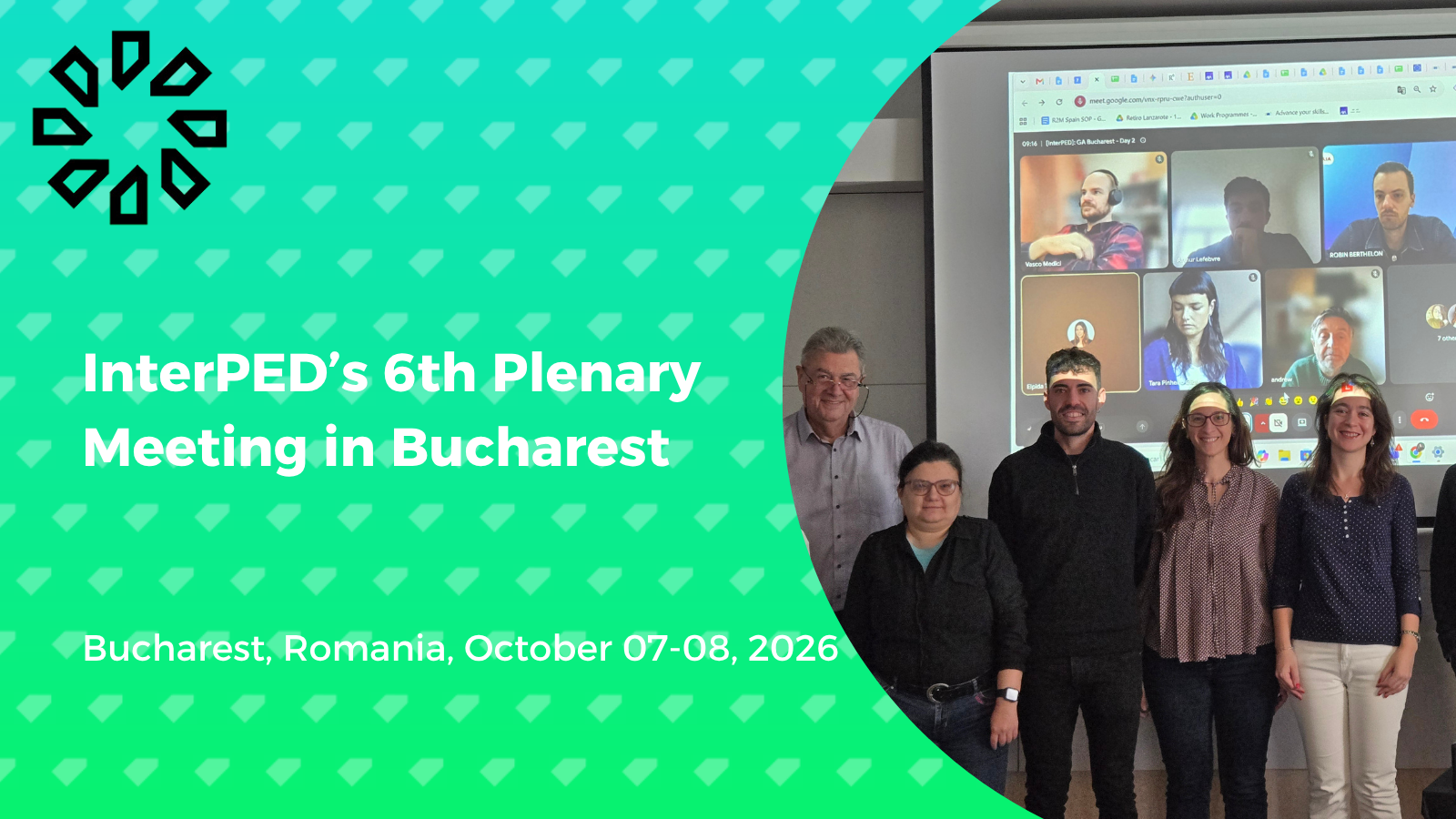
On 7 and 8 October 2026, the InterPED consortium gathered in Bucharest for the project’s 6th Plenary Meeting, hosted by our partner SIMAVI. Over two days, partners reviewed the overall progress of the project, shared the latest updates from the pilot sites and discussed the next steps towards validating and demonstrating InterPED’s solutions.
The meeting brought together technical, pilot and dissemination activities, reflecting InterPED’s shared commitment to Positive Energy Districts (PEDs) that are interoperable, citizen-centred and ready for replication.
Day 1 – Pilot Updates and Technical Progress
The first day opened with an overview of project management and coordination, followed by updates from three of InterPED’s pilot sites:
- Lugaritz–Matía Community (Spain)
- Findhorn Ecovillage (United Kingdom)
- Alba Iulia College District (Romania)
Each pilot shared recent developments, the challenges they are addressing on the ground and their plans for the coming months. The Alba Iulia session was especially relevant, as the meeting took place in the pilot’s home country.
In the afternoon, partners focused on the core technical work. The sessions covered InterPED’s operation management tools and services for PEDs, and the progress on platform interoperability, market integration and cybersecurity. These discussions showed how the different components of the InterPED solution are coming together into an integrated platform.
The day closed with a social dinner organised by SIMAVI, which gave partners a relaxed setting to continue the conversation.
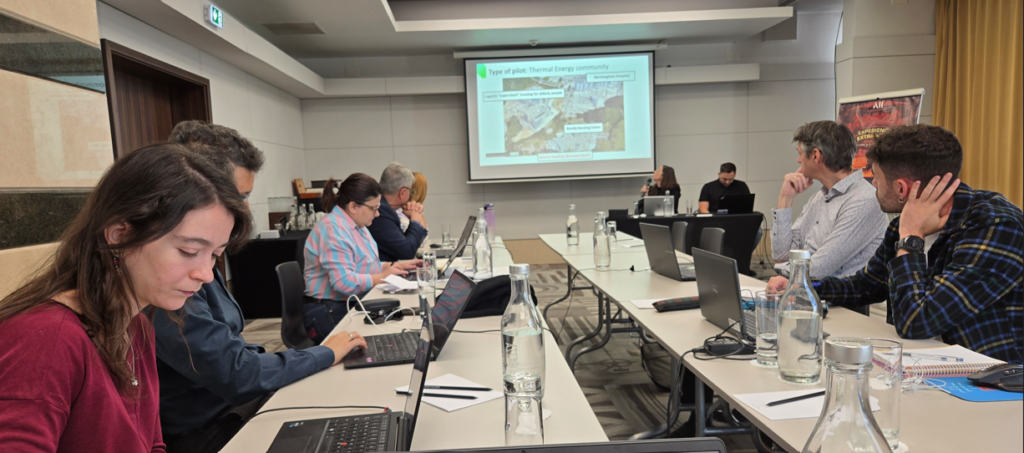
Day 2 – Communication, Validation and Impact
The second day began with a session on dissemination, communication and exploitation. Partners reviewed the project’s outreach and clustering activities with sister projects and initiatives. They also took part in a short Standardisation Validation Workshop, which looked at how relevant standards and frameworks relate to InterPED’s solutions and results.
The Arena Innovation Community pilot (Switzerland) then shared its latest progress. This was followed by a session on pilot validation, social considerations and impact assessment, focusing on how InterPED’s results will be measured and evaluated across the four pilot sites.
Moving Towards Validated, Replicable PED Solutions
The Bucharest plenary confirmed the value of regular exchange across work packages and pilots. As the pilots progress, InterPED’s focus is increasingly on validating results, assessing their impact and preparing solutions that can be replicated in other European districts.
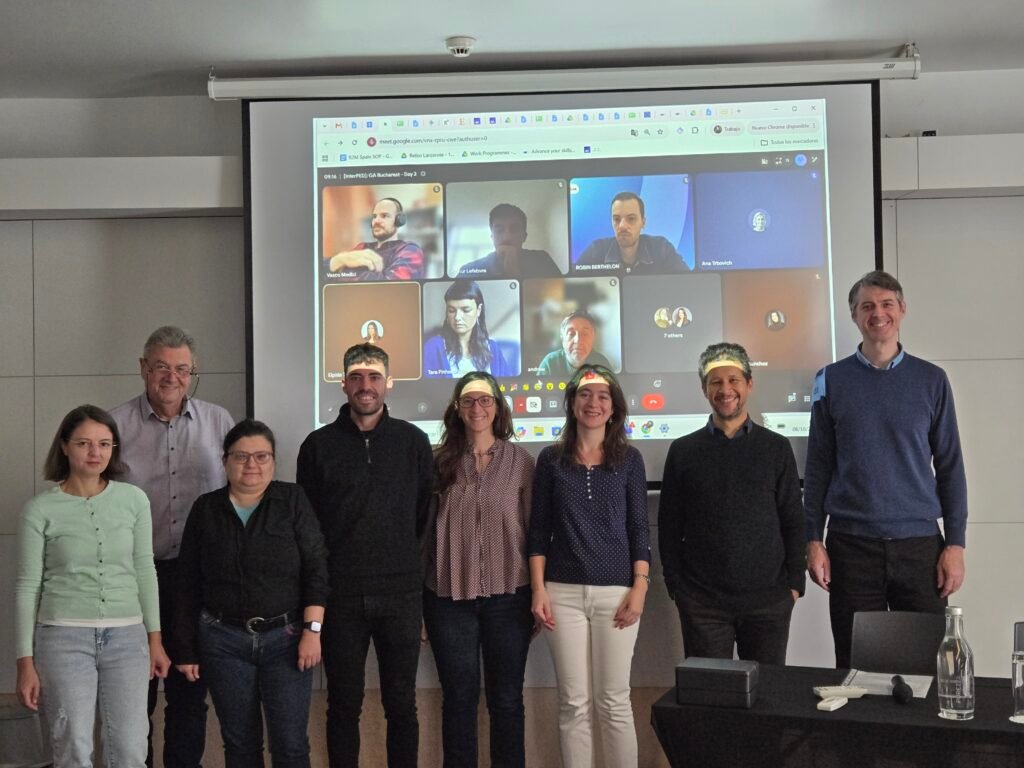
A warm thank you to SIMAVI for hosting the meeting, and to all partners for their active participation, whether in person or online.