









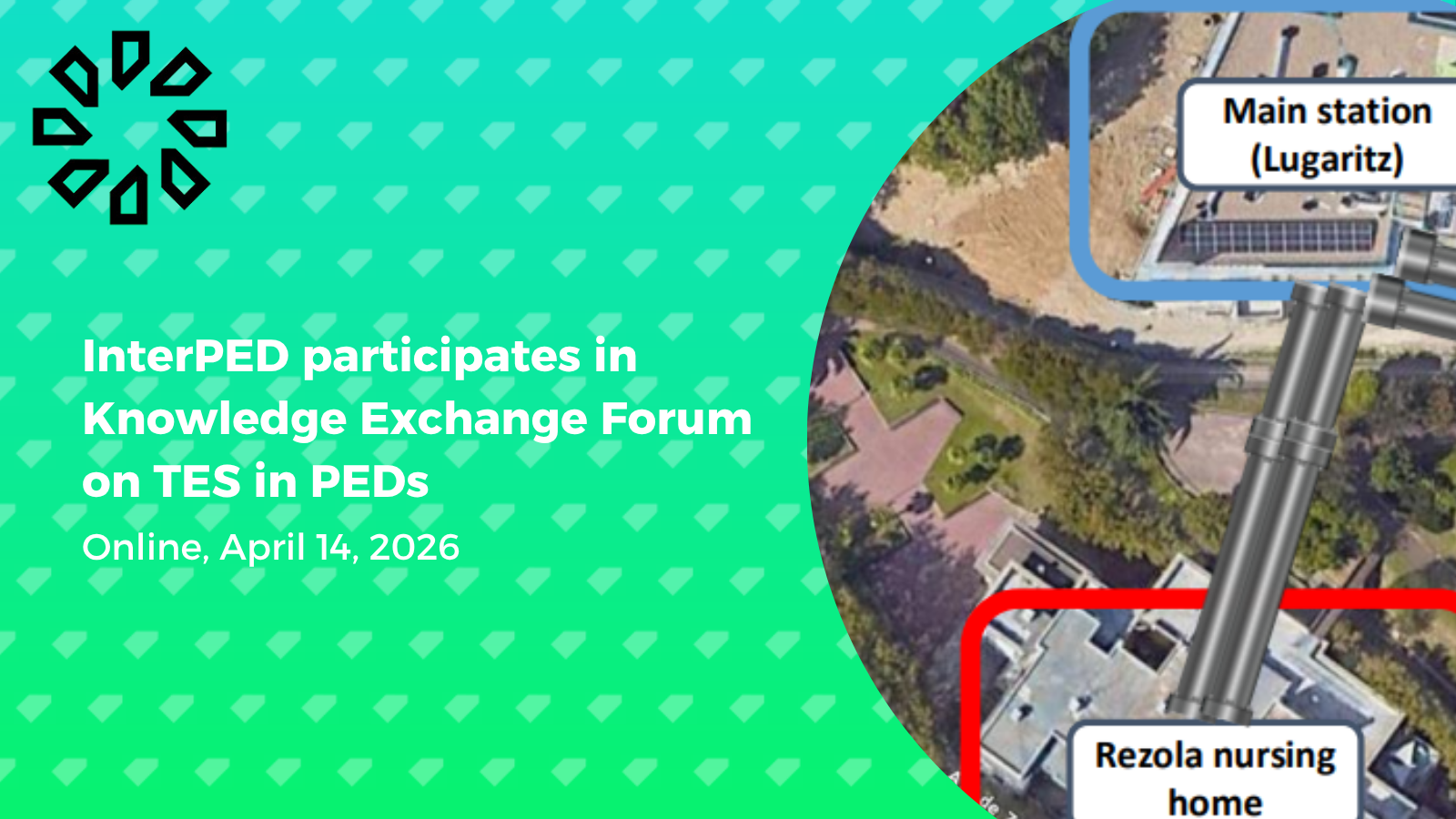
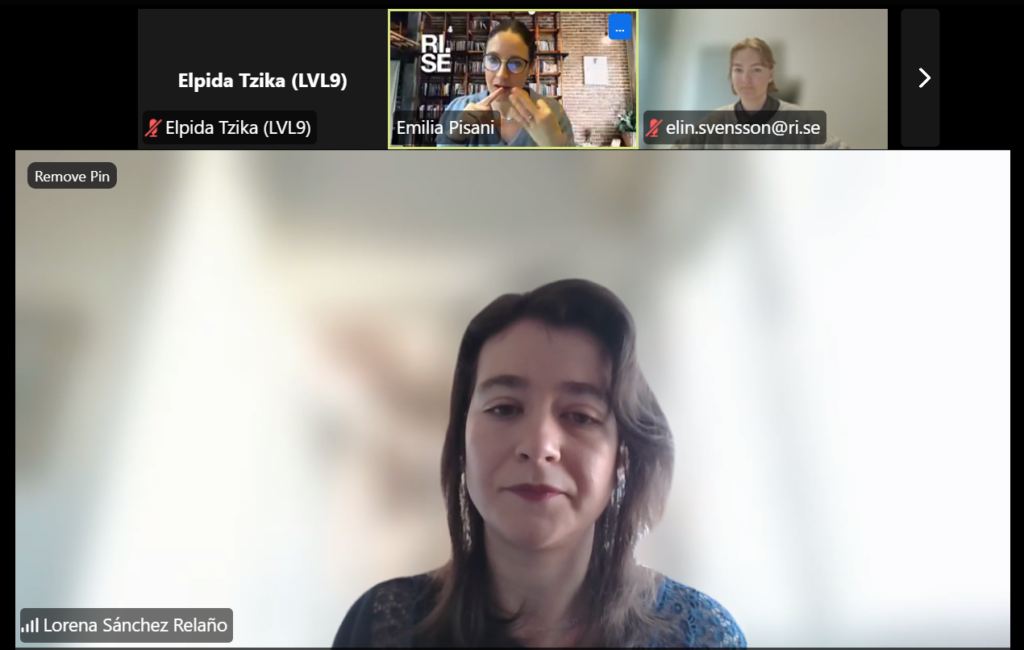
On 14 April 2026, the InterPED project participated in a joint Knowledge Exchange Forum co-organised with the ThumbsUp project, bringing together experts to explore how Thermal Energy Storage (TES) can support the development of Positive Energy Districts (PEDs).
With over 40 participants, the session went beyond theory, focusing on real-world implementation, including InterPED’s pilot in San Sebastián (Spain).
A Journey Across Scales
The session focused on a key question:
How can thermal energy storage evolve from building-level solutions to district-wide system integration?
Through expert insights and real-world perspectives, participants explored the full journey of TES deployment, from installation in individual buildings to its role in enabling flexibility, efficiency, and resilience at the district level.
This multi-scale perspective is essential for Positive Energy Districts, where energy systems must operate not in isolation, but as interconnected and adaptive ecosystems.
Insights from Leading Experts
The forum featured a strong lineup of speakers representing research, policy, and innovation:
- Sara de la Serna (IDAE – Spain)
- Björn Larsson (Swedish Energy Agency)
- Lorena Sánchez Relaño (R2M Solution Spain / InterPED)
- Ola Gustafsson (RISE Research Institutes of Sweden / ThumbsUp)
- Emilia Pisani (RISE Research Institutes of Sweden)
Their contributions highlighted:
- the role of TES in improving energy efficiency and flexibility
- the importance of integrating storage solutions into broader energy systems
- challenges and opportunities in scaling solutions from buildings to districts
- the need for collaboration between projects, stakeholders, and policymakers
Spotlight on InterPED’s Real-World Application
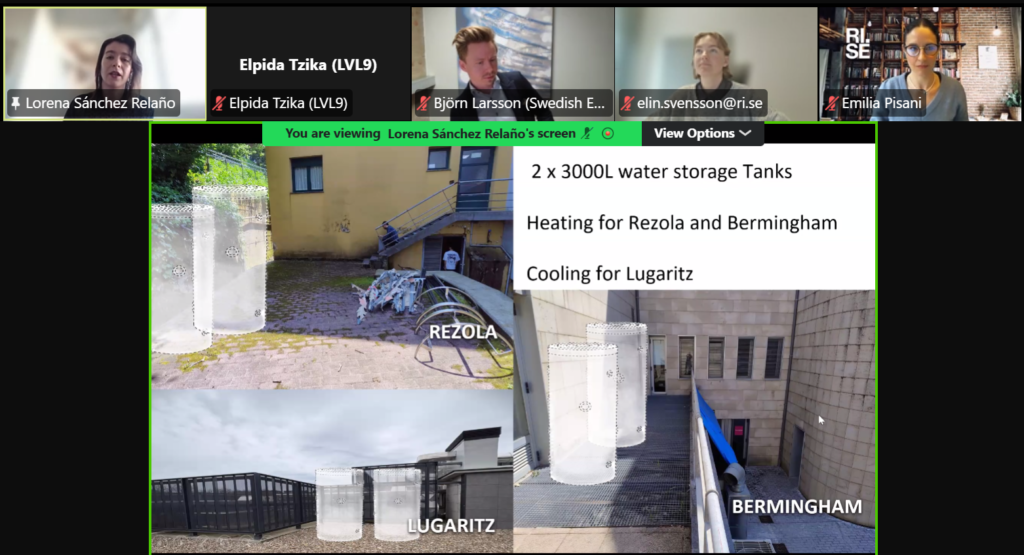
A key highlight of the session was the presentation from the InterPED team, showcasing the project’s pilot in San Sebastián (Spain). The case study demonstrated how thermal energy storage is being applied in practice within a complex urban environment that includes residential and healthcare facilities.
The presentation illustrated how thermal storage tanks combined with advanced control strategies, such as Model Predictive Control (MPC), can optimise energy use by anticipating demand, reducing peak loads, and improving overall system efficiency.
At the same time, the pilot provided valuable insights into real-world challenges, including multi-stakeholder coordination, space constraints, and the specific requirements of sensitive environments such as healthcare buildings. These lessons highlight the importance of integrating technical innovation with practical implementation strategies when scaling PED solutions.
Why Thermal Energy Storage Matters for PEDs
Thermal Energy Storage is a key enabler for Positive Energy Districts. It allows energy to be stored and used when needed, supporting:
- better alignment between energy supply and demand
- increased use of renewable energy sources
- improved system flexibility and resilience
As highlighted during the session, TES plays a critical role in making PEDs not only technically feasible but also operationally efficient and scalable.
Strengthening Collaboration Across Projects
The Knowledge Exchange Forum demonstrated the value of cross-project collaboration. By bringing together InterPED and ThumbsUp, the session created space for:
- sharing knowledge and experiences
- identifying common challenges
- aligning approaches towards system integration
These exchanges are essential to accelerate innovation and ensure that solutions developed in pilot environments can be replicated and deployed at scale.
Moving Towards Integrated Energy Systems
As Europe moves towards climate neutrality, solutions like Thermal Energy Storage will play a central role in shaping future urban energy systems.
Events like this forum contribute to building a shared understanding and collective momentum, ensuring that Positive Energy Districts can transition from innovative concepts to real-world, scalable solutions.