









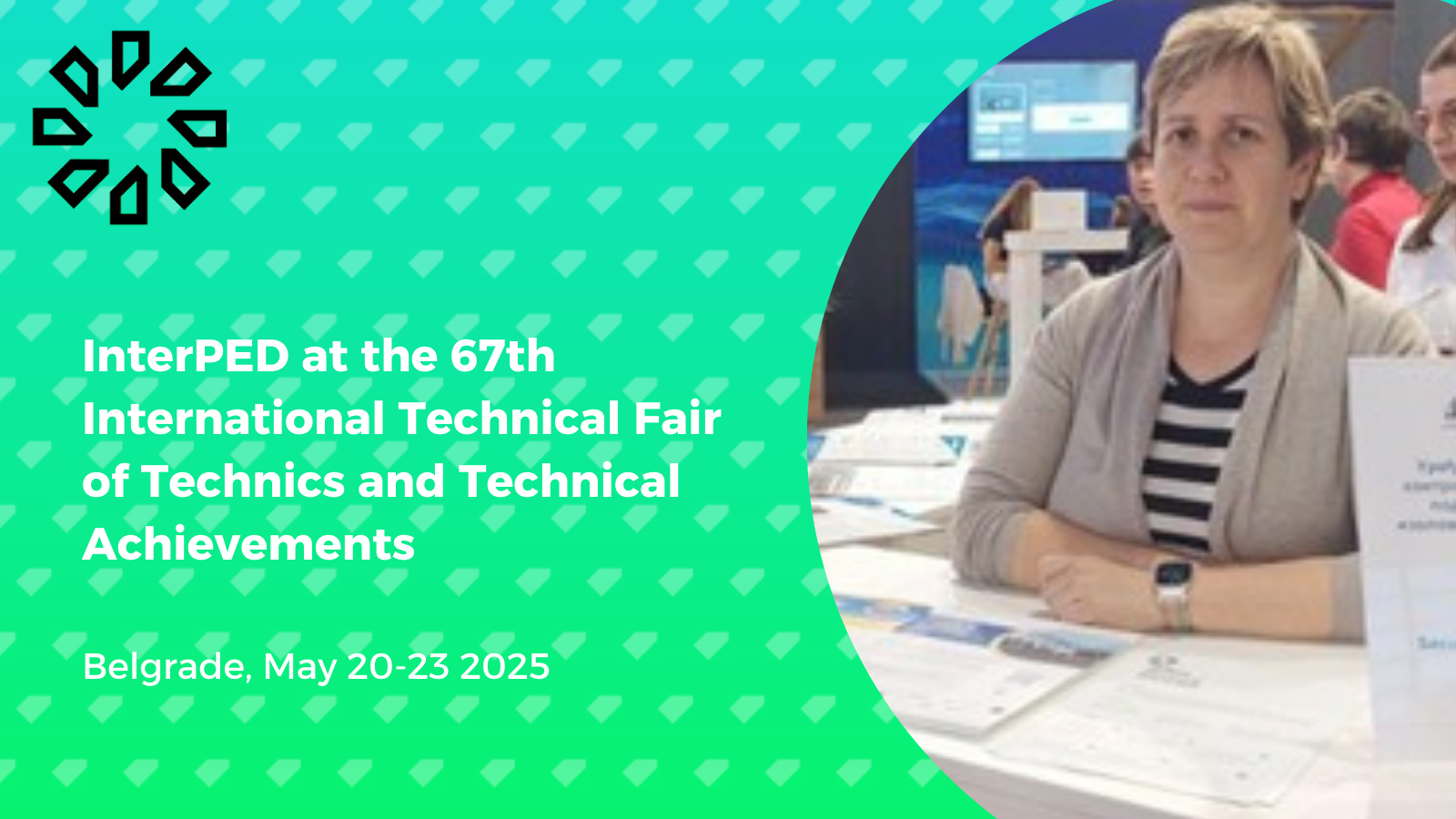
From 20 to 23 May, InterPED was showcased at the 67th International Fair of Technics and Technical Achievements, held in Belgrade. Represented by project partner IMP, the project participated in one of the longest-running and most influential industrial and technology events in Southeast Europe.
The International Technical Fair is a well-established meeting point for industry, academia, research organisations, and technology providers, bringing together innovations from a wide range of domains. Each year, it attracts thousands of visitors—including business leaders, engineers, researchers, students, and policymakers—offering a unique platform for presenting cutting-edge technologies and exchanging knowledge across sectors.
A Hub for Technological Innovation and Industrial Transformation
The 2025 edition of the Fair focused on the technologies shaping today’s and tomorrow’s industries, including digitalisation, automation, industrial robotics, smart cities, IoT, artificial intelligence, cybersecurity, and advanced manufacturing. Solutions for energy efficiency and renewable energy sources also featured prominently, reflecting the growing importance of sustainable and climate-resilient systems in industrial and urban development.
Alongside the exhibition, the programme included professional conferences, panel discussions, workshops, and live demonstrations. National and regional economies—particularly from Southeast Europe—were represented, highlighting innovation capacity, industrial strategies, and opportunities for cross-border collaboration.
Presenting InterPED to an Industry-Focused Audience
Within this dynamic environment, IMP presented the InterPED project, positioning it as a concrete example of how advanced digital technologies and interoperable energy management can support the development of smarter, more energy-efficient districts.
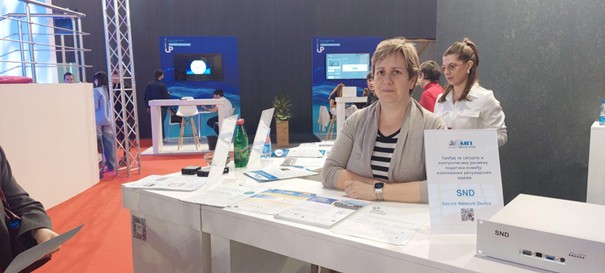
The presentation highlighted InterPED’s contribution to Positive Energy Districts, demonstrating how the coordinated management of multiple energy vectors—such as electricity, heating, and mobility—can improve energy performance at district level. By shifting the focus from individual buildings to neighbourhoods, InterPED illustrates how urban areas can move toward energy-positive operation while increasing flexibility and resilience.The Fair provided an ideal setting to engage with industrial stakeholders and technology developers, connecting InterPED’s research and pilot activities with real-world applications and market needs. Discussions with visitors and exhibitors reinforced the relevance of interoperable platforms, data-driven optimisation, and integrated energy solutions for both existing districts and future smart city developments.
Strengthening Links Between Research and Industry
Participation in the International Technical Fair also supported InterPED’s broader objective of bridging research, innovation, and industrial practice. The event enabled direct exchange with companies, engineers, and innovators working on complementary technologies, while also offering opportunities to establish new professional and business connections. For IMP and the InterPED consortium, the Fair served both as a dissemination opportunity and as a space to test ideas, gather feedback, and explore synergies with ongoing technological developments across Europe and beyond. As InterPED continues to validate and refine its solutions through pilot sites and stakeholder engagement, participation in major industrial events such as the International Technical Fair remains essential. These forums help ensure that project results stay aligned with industry trends, societal needs, and the practical realities of implementing energy-efficient, smart, and sustainable urban systems.